Wire · Gulf Edu
The US economy grew faster than expected in the third quarter as resilient consumer spending and AI -driven business investment more than offset the impact of higher oil prices stemming from the conflict in the Middle East . Gross domestic product (GDP) increased at a 3.4% annualized rate last quarter, the commerce department’s bureau of economic analysis said in its advance estimate of the third quarter GDP on Thursday. Economists polled by Reuters had forecast GDP advancing at a 3.2% pace.
Estimates ranged from a 1% growth rate to a 4.2% pace. The strength in growth is in stark contrast to households’ downbeat assessment of the economy, reflected in Donald Trump ’s record-low approval ratings and a sharp deterioration in consumer sentiment. The report was published less than a week before Tuesday’s midterm elections, which will determine control of Congress.
The economy is expanding at a pace that is well above what some Federal Reserve officials regard as the non-inflationary growth rate of around 2%. The US central bank on Wednesday left its benchmark interest rate in the 3.75%-4% range while acknowledging that inflation “remains elevated”. Economists expected the Fed to raise rates in December.
The Fed chairman, Kevin Warsh, told reporters “economic activity is expanding at a strong pace,” noting that “while uncertainty remains, owing in part to geopolitical developments, domestic spending has been resilient.” Given the increasing dominance of AI-related spending, some economists said the strong GDP growth was probably not a true picture of the economy. Investors are increasingly focusing on the rising costs of long-term AI projects, in which the payoff is uncertain. Tech firms have borrowed huge sums over the past year for AI spending, a potential downside risk to equipment spending.
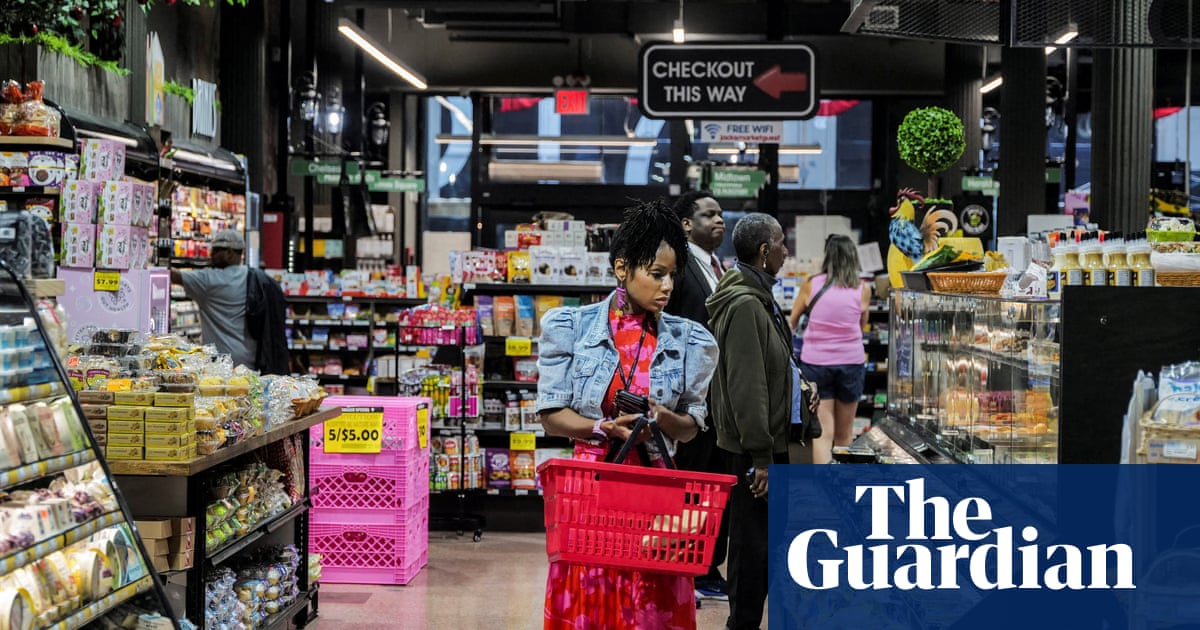
Still, economists did expect this pillar of support to weaken, though a pullback in spending was likely. Consumer spending, which accounts for more than two-thirds of the economy, increased at a 3.8% pace in the July-September quarter after growing at a 3.8% rate in the second quarter. Historically low layoffs and moderate hiring are helping to underpin spending, though wage gains have at times lagged inflation.
But households also have been saving less and dipping into their nest eggs to fund spending. With average gasoline prices still above $4 a gallon as the US-Israel war on Iran drags on, economists anticipated a slowdown in consumer spending.
Source: The Guardian